Tips & Tricks on How to Successfully Launch a Community
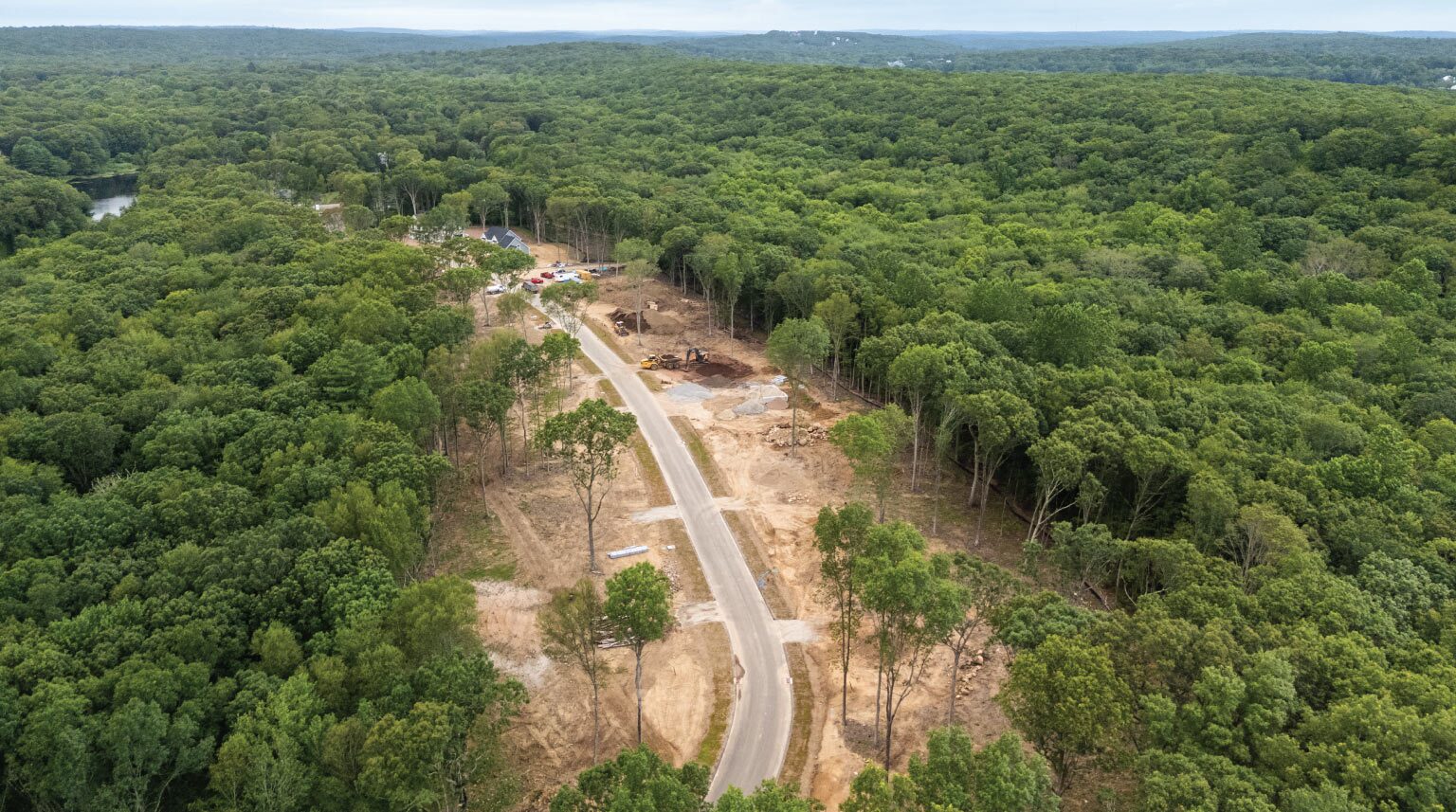
Launching a new home community involves more than putting up a sign, opening a sales center, and announcing that homes are available. A successful launch takes thoughtful planning, coordination, and a marketing strategy that builds interest long before the first buyer walks through the door.
Whether you’re introducing a brand-new community or expanding into a new market, how you approach it may affect the future success of your community significantly.
Here are a few tips Group Two keeps in mind when planning a community launch.
Start With a Strong Foundation
Establish a clear identity and understand your audience before investing in the promotional side of the launch.
Before you launch a community, it’s important to clearly define its foundation. Consider such things as location, target buyer, homes, lifestyle and opportunities, and competitive advantages. What sets your community apart from others?
These insights should help shape your community’s positioning, messaging, and overall identity. Depending on the project, that might include developing a name, logo, visual direction, and supporting brand materials.
It’s also important to consider how the new community fits into your existing portfolio.
Is it reaching an entirely new audience, or could it compete with another community nearby?
Understanding that relationship early can help you make smarter decisions about where and how to market it.
Get Sales and Marketing on the Same Page
Treat your launch as a collaborative effort, not a series of disconnected sales and marketing activities.
A community launch shouldn’t happen in a marketing silo. Your sales and marketing departments should collaborate throughout the entire process by sharing common goals, timeline, messaging, and buyer experience.
Marketing needs to know what the sales team will need to support prospective buyers, while sales needs to understand what marketing is communicating to generate interest. This includes everything from community messaging and pricing expectations to sales materials, appointment scheduling, and lead follow-up.
It’s also worth establishing clear responsibilities and setting expectations for how leads will be managed. Generating interest is only part of the equation. Having a process to respond to that interest is just as important.
Build Interest Before You’re Ready to Sell
Don’t wait for inventory to generate interest. Start building your audience while the community is still coming together.
One of the most significant advantages of a community launch is the period between its announcement and official sales release. Instead of waiting until you have something to sell, take advantage of that time and start promoting your community and building interest in it.
A coming-soon landing page or VIP interest list is a great place to start. From there, you can introduce a mix of marketing tactics to get the word out, including social media advertising, digital display campaigns, website announcements, email marketing, and targeted outreach.
The goal isn’t necessarily to push buyers toward a purchase right away. It’s to give them a reason to learn more and an easy way to stay connected as the community takes shape. This is also a good opportunity to build relationships with local real estate professionals who may have clients interested in the area.
Keep Your Audience Engaged Along the Way
A successful launch builds anticipation over time. Give prospective buyers a reason to keep paying attention.
Getting someone to join your interest list is a great first step, but what happens next matters just as much. Without consistent communication, prospective buyers can lose interest, forget about the community, or move on to another opportunity.
Prepare a communication plan that provides prospective buyers with regular updates on the progress of the community launch. This could include construction milestones, community progress, floor plan announcements, new photography, and other details that help prospective buyers picture what’s ahead.
Email is especially useful for nurturing your VIP list, but don’t overlook the role of social media, website content, and other advertising channels in keeping the community visible.
Think about the information buyers will want at each stage of the process. You don’t need to share everything at once. Instead, give them something new to look forward to with each communication.
Make the Grand Opening Count
The grand opening should build on the momentum you’ve already created, not be responsible for creating it all at once.
Your grand opening is an important milestone, but it shouldn’t be the first time people hear about your community. By this point, your marketing should have already introduced the neighborhood, generated interest, and given prospective buyers opportunities to learn more.
Use that groundwork to create a more meaningful opening experience. Consider allowing VIP registrants to schedule appointments ahead of the public release. Prepare sales presentations and collateral, and coordinate your promotional messaging across all channels.
Events can also play an important role. Depending on the stage of development, opportunities like a groundbreaking ceremony, realtor preview, or hard hat tour can help bring people closer to the community before its official public opening.
Most importantly, make sure your sales team is prepared to turn the interest you’ve generated into meaningful conversations and opportunities.
Keep the Momentum Going After Launch
Think beyond opening day. A thoughtful follow-through strategy helps turn initial excitement into sustained momentum.
A community launch doesn’t end when the grand opening weekend is over. In fact, the weeks that follow can be just as important for maintaining interest and keeping sales moving.
Follow up with prospective buyers who attended the event, reconnect with those who expressed interest but haven’t taken the next step, and continue sharing updates about the community.
Highlighting milestones, available homes, and community features can help keep your audience engaged.
It’s also worth taking a step back to evaluate how the launch performed. Look at lead volume, engagement, appointment activity, and sales results. Which channels generated the most interest?
What messaging resonated? Where are there opportunities to improve?
Use those insights to inform your ongoing marketing efforts and make your next community launch even stronger.
A Successful Launch Starts Long Before Opening Day
Launching a new community involves a lot of moving pieces, but having a clear plan makes all the difference. When branding, sales preparation, marketing, and communication work together, you create a more cohesive experience for prospective buyers and give your community a stronger start.
The most successful launches feature a set of events and communications that introduce the community, generate interest in it, and motivate buyers to take the next step. And the earlier you start planning, the more opportunities you’ll have.
If you’d like to learn more about creating a successful community launch, or want help putting together a pre-sale launch, connect with us today!
{
“@context”: “https://schema.org”,
“@type”: “FAQPage”,
“mainEntity”: [
{
“@type”: “Question”,
“name”: “How do you successfully launch a new home community?”,
“acceptedAnswer”: {
“@type”: “Answer”,
“text”: “Successfully launching a new home community requires a clear brand identity, coordination between sales and marketing teams, pre-launch promotion, consistent communication with prospective buyers, and a plan for maintaining interest after the grand opening.”
}
},
{
“@type”: “Question”,
“name”: “When should marketing begin for a new home community?”,
“acceptedAnswer”: {
“@type”: “Answer”,
“text”: “Marketing should begin before homes are available for sale. Homebuilders can build early interest through coming-soon landing pages, VIP interest lists, social media advertising, email marketing, website announcements, and digital advertising campaigns.”
}
},
{
“@type”: “Question”,
“name”: “What marketing strategies help generate interest in a new home community?”,
“acceptedAnswer”: {
“@type”: “Answer”,
“text”: “Effective marketing strategies include creating a community landing page, building a VIP interest list, running social media and digital display campaigns, sending email updates, publishing website announcements, and connecting with local real estate professionals.”
}
},
{
“@type”: “Question”,
“name”: “Why should sales and marketing teams work together during a community launch?”,
“acceptedAnswer”: {
“@type”: “Answer”,
“text”: “Sales and marketing teams should work together to maintain consistent messaging, coordinate launch timelines, establish lead management responsibilities, prepare sales materials, and create a seamless experience for prospective homebuyers.”
}
},
{
“@type”: “Question”,
“name”: “How can homebuilders keep prospective buyers engaged before a community opens?”,
“acceptedAnswer”: {
“@type”: “Answer”,
“text”: “Homebuilders can keep prospective buyers engaged by sharing regular updates about construction milestones, community progress, floor plan announcements, new photography, and upcoming sales opportunities through email, social media, website content, and advertising.”
}
},
{
“@type”: “Question”,
“name”: “What should homebuilders include in a new community grand opening?”,
“acceptedAnswer”: {
“@type”: “Answer”,
“text”: “A new community grand opening can include VIP appointment scheduling, sales presentations, promotional materials, realtor previews, groundbreaking ceremonies, and hard hat tours. The sales team should also be prepared to follow up with interested buyers.”
}
},
{
“@type”: “Question”,
“name”: “How do you maintain momentum after launching a new home community?”,
“acceptedAnswer”: {
“@type”: “Answer”,
“text”: “Homebuilders can maintain momentum after launch by following up with prospective buyers, reconnecting with event attendees, sharing updates about available homes and community features, and evaluating lead volume, engagement, appointments, and sales results.”
}
}
]
}

THE FUTURE
We think about the future & who will build it. That’s why we created The House That She Built & The She Built Foundation.